Why Lawful Videography Is Essential for Accurate Court Recordings
The role of lawful videography in court room settings can not be overstated, as it offers as a crucial device for protecting the integrity of court documents. The effects of integrating legal videography right into typical court techniques increase essential questions concerning its wider impact on the lawful system.
Relevance of Visual Evidence
In the world of legal process, the relevance of visual proof can not be overstated. Visual proof works as a powerful tool in establishing truths, proving testimonies, and improving the general clarity of an instance. This kind of proof, that includes pictures, videos, and diagrams, can give a concrete context that spoken summaries usually do not have, consequently offering courts and judges a more clear understanding of the situations bordering a case.
Additionally, aesthetic evidence aids in the retention of info. Human cognition is naturally visual, and people are extra likely to keep in mind and understand details presented in a visual style. In the court room, this can be essential, as compelling aesthetic proof can guide opinions and reinforce the story presented by legal agents.
Furthermore, the use of aesthetic proof can minimize misconceptions and ambiguities that typically emerge from spoken exchanges. By providing a direct representation of events, visual proof assists to eliminate subjective interpretations and promotes a more objective exam of the facts. Consequently, the integration of visual evidence right into lawful process not just enhances the stability of the judicial procedure however likewise improves the possibility of accomplishing a just outcome.
Capturing Non-Verbal Cues
Making use of innovative videography strategies can substantially improve the capture of non-verbal cues throughout legal process. Non-verbal interaction, consisting of face expressions, body movement, and eye call, plays a crucial function in conveying emotions and objectives that may not be explicitly stated in verbal testament. legal videography. Lawful videography utilizes high-definition video cameras and strategic angles to make certain that these refined cues are taped with quality and precision
The ability to assess non-verbal habits can provide important context to declarations made throughout court sessions. A witness's unwillingness or self-confidence can be translated via their pose or motions, possibly influencing the jury's assumption of reliability. Furthermore, using close-up shots can assist concentrate on an audio speaker's expressions, allowing for a much more nuanced understanding of the statement.
Furthermore, integrating numerous video camera angles can produce a thorough view of interactions, highlighting dynamics between celebrations included. This diverse strategy not just boosts the precision of the court document yet also help in preserving the integrity of the judicial process - legal videography. Inevitably, recording non-verbal signs through legal videography fosters a richer, more complete representation of courtroom proceedings
Enhancing Statement Reliability
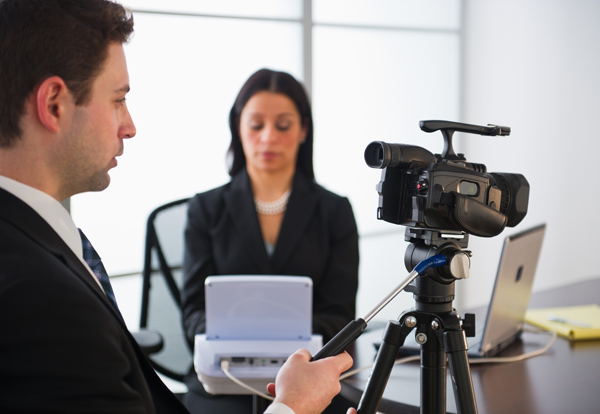
The dependability of testimony can be substantially reinforced via the use of high-quality lawful videography. Video clip recordings work as an objective medium that records not only the talked words of witnesses but additionally the nuances of their shipment, consisting of tone, pacing, and emotional expressiveness. This complex documentation offers a more clear understanding of the witness's trustworthiness and intentions, which can be essential in lawful proceedings.
Additionally, lawful videography minimizes the capacity for false impressions that may occur from created transcripts alone. When jurors can observe a witness's behavior and body movement in combination with their testimony, they are better geared up to examine the credibility and integrity of the evidence presented. This visual context can strengthen the testimonial narrative, making it a lot more engaging and reputable.
Additionally, the existence of a video recording can prevent possible incongruities in testimony. Witnesses might be more cautious in their declarations when they recognize they are being recorded, causing even more exact and genuine accounts. On the whole, high-quality lawful videography boosts the honesty of statement, making sure that the court has access to a complete and truthful depiction of the facts as communicated by the witnesses.
Supporting Appeals and Reviews
Legal videography plays a vital function in supporting charms and reviews by providing a comprehensive aesthetic document of courtroom proceedings. This aesthetic paperwork captures not just the spoken words of witnesses and attorneys yet likewise the subtleties of body movement, tone of voice, and court room dynamics. Such elements can be crucial in comprehending the context of testimonies and debates provided.
In the appellate procedure, where the focus gets on mistakes of regulation and procedural justness, a video clip record can work as a crucial tool for appellate courts. It makes it possible for judges to assess the original test context, making sure click to read more that choices are based on a full understanding of the procedures. The ability to aesthetically evaluate the disposition of witnesses or the communications between celebrations can disclose insights that created transcripts might neglect.

Additionally, legal videography can assist in clarifying uncertainties in testaments or step-by-step rulings, consequently enhancing the basis for an allure. By providing a reliable, objective account of what transpired in court, legal videography not just sustains the honesty of the lawful procedure yet also empowers all celebrations included to make enlightened choices concerning their instances.
Simplifying Courtroom Procedures
Enhancing court room performance, lawful videography enhances procedures by offering immediate access to visual records of process. This modern technology permits judges, attorneys, and courts to take another look at important statement and evidence, making sure that all celebrations have a clear understanding of the case. By capturing the subtleties of verbal and non-verbal communication, videography improves the record, making it easier to grasp the context and weight of testaments.
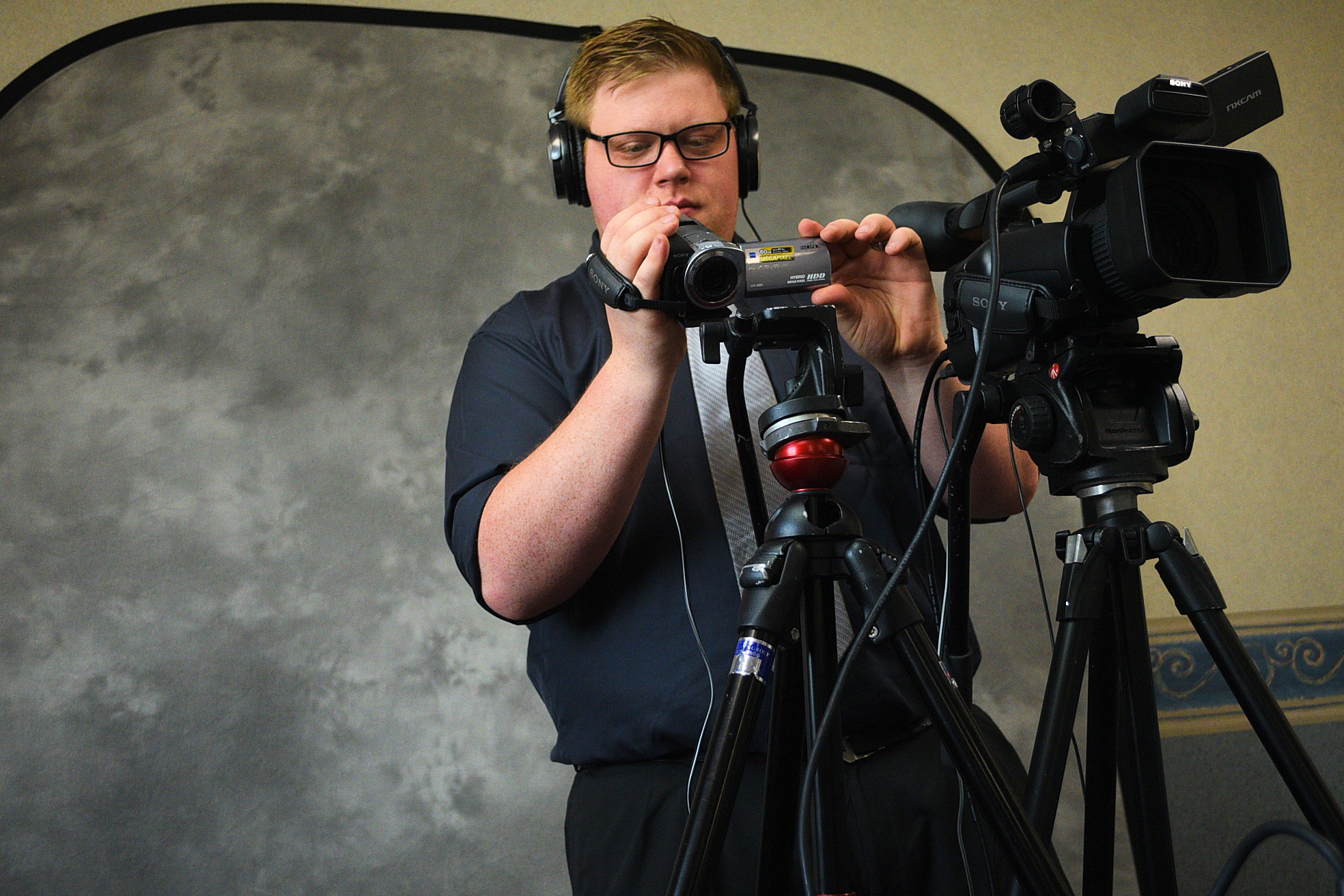
In addition, video clip recordings can promote remote engagement in hearings, permitting for greater flexibility in scheduling and participation, which is particularly important in complicated cases helpful resources involving multiple stakeholders.
Conclusion
In conclusion, lawful sites videography plays a vital duty in ensuring accurate court recordings by giving essential aesthetic proof that catches both spoken and non-verbal interaction. This technique improves the reliability of testimonies, sustains appellate testimonials, and enhances court processes. By promoting a detailed understanding of court dynamics, lawful videography eventually adds to more fair judicial results, reinforcing the honesty of the legal system and helping with informed decision-making.